In the early stages, cirrhosis may go unnoticed. As the condition worsens, symptoms become more evident:
The liver plays a crucial role in energy metabolism. When its function declines, it can lead to constant tiredness and reduced stamina.
This occurs when the liver can no longer efficiently process bilirubin, a yellow pigment formed by the breakdown of red blood cells. It accumulates in the blood and causes yellow discoloration.
Scarred liver tissue can cause a buildup of pressure in blood vessels, leading to fluid leakage into the abdomen.
Impaired protein production and blood circulation can cause fluid to accumulate in the lower limbs.
A damaged liver cannot effectively remove toxins from the blood. These toxins reach the brain and lead to mental confusion, forgetfulness, and changes in behavior.
The liver produces proteins essential for blood clotting. In cirrhosis, reduced production increases the risk of unexplained bruises or bleeding from minor injuries.
Impaired digestion and reduced nutrient absorption often lead to decreased appetite and gradual weight loss.
At Royal Care Hospital, diagnosis is made through a combination of clinical evaluation and advanced diagnostics:
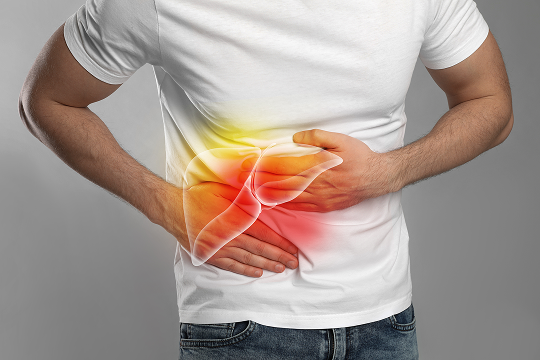
Royal Care Hospital offers a comprehensive and multidisciplinary approach to managing liver cirrhosis:
We provide drug therapy to manage symptoms such as fluid buildup, bleeding risk, and encephalopathy.
Our specialists offer dietary guidance and monitor nutrient intake to manage malnutrition and promote liver health.
Therapeutic endoscopy is used to treat or prevent bleeding from esophageal or gastric varices.
A minimally invasive procedure to remove fluid from the abdomen, relieving discomfort and improving breathing.
For eligible patients, we initiate comprehensive transplant evaluation and offer support through the referral process.
Cirrhosis is scarring of the liver caused by long-term damage, which leads to impaired liver function.
While the scarring cannot be reversed, early diagnosis and treatment can slow progression and improve quality of life.
Complications include bleeding, fluid accumulation, infections, confusion, and liver cancer.
If you notice symptoms such as jaundice, abdominal swelling, or persistent fatigue, consult a liver specialist.