" JCI & NABH Accredited Hospital "

Emergency +91 91434 91434

General Enquiry +91 422 2227000

Our impact is measurable and significant

  • 0+

    Number of Specialists

  • 0+

    No of patients

  • 0+

    No of surgeries done

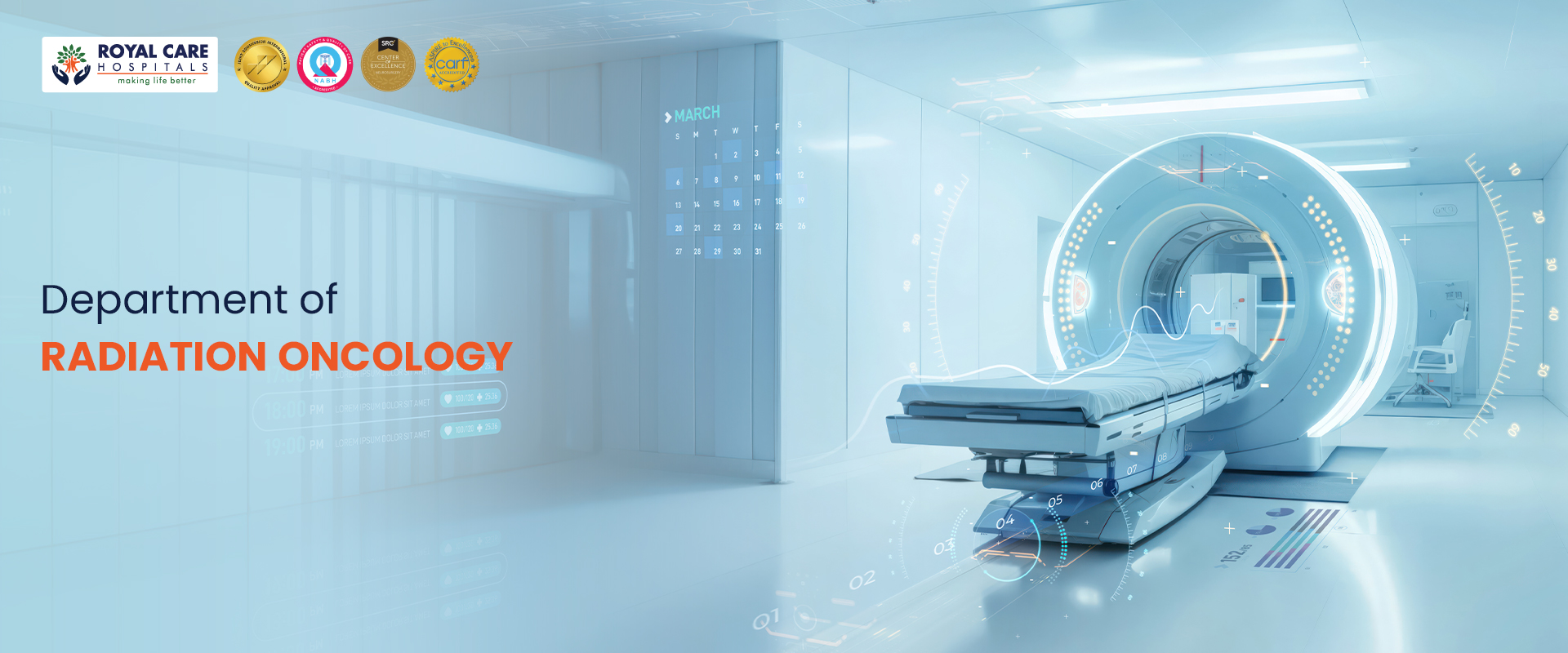
Why Choose Radiation Oncology at Royalcare?

  • Advanced Radiation Systems
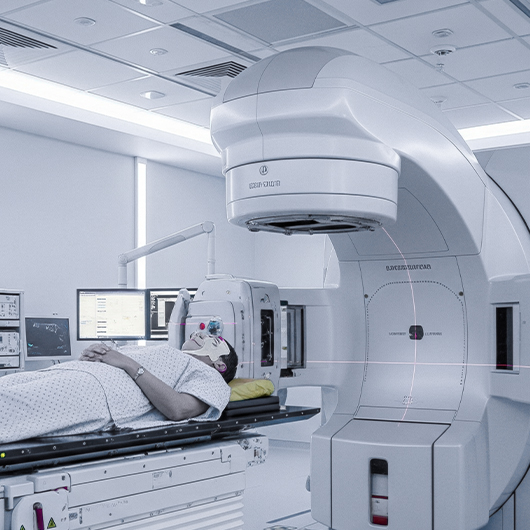
    We utilize precision equipment and modern radiotherapy techniques to ensure accurate dose delivery tailored to individual patient needs.
  • Integrated Multidisciplinary Team
    Radiation oncologists work closely with medical and surgical oncology experts to develop comprehensive, evidence-based treatment plans for every patient.
  • Personalized Treatment Plans
    Each treatment is customized based on cancer type, stage and patient health, ensuring optimal outcomes with the least possible side effects.
  • Patient Safety & Comfort
    Our radiation suite is designed for patient comfort, safety and precision, supported by strong quality control systems and experienced clinical support staff.
  • Comprehensive Care Support
    From treatment planning to follow-up care, patients receive education, monitoring and supportive services throughout their radiation therapy journey.

Radiation Oncology Procedures & Treatments

At Royalcare Institute of Oncology, we offer precision-based radiotherapy using advanced technologies designed to maximize treatment effectiveness while minimizing exposure to healthy tissues.

Stereotactic Radio Surgery (SRS)

A high-precision form of radiation delivered in one or a few sessions, typically used for small brain tumors or neurological lesions. SRS targets tumors with accuracy within millimeters, minimizing damage to surrounding healthy tissue.

Stereotactic Radiotherapy (SRT)

Similar to SRS but delivered over several sessions, SRT provides precise radiation for both intracranial and extracranial tumors. This technique is ideal for larger lesions or tumors near critical structures.

4D Gated Stereotactic Body Radiotherapy (4D-SBRT)

An advanced version of stereotactic body radiotherapy that accounts for tumor movement caused by breathing. The “4D gating” technique synchronizes radiation delivery with the patient’s breathing cycle, improving accuracy for tumors in the lung, liver or abdomen.

Intensity Modulated Radiation Therapy (IMRT)

A sophisticated form of external beam radiotherapy that modulates the intensity of each radiation beam. IMRT allows higher doses to be directed at complex tumor shapes while reducing exposure to healthy tissues and critical organs.

RapidArc® Radiotherapy

A dynamic form of IMRT where radiation is delivered in a continuous arc around the patient. RapidArc® significantly shortens treatment time while maintaining precise dose delivery and sparing normal tissues.

Image Guided Radiotherapy (IGRT)

IGRT uses real-time imaging before and during treatment to verify the position of the tumor. This ensures the radiation is delivered exactly where intended, even if the tumor shifts between sessions.

4D-Gated IMRT/RapidArc® for Moving Tumors

This combines the precision modulation of IMRT or RapidArc® with 4D gating technology. It is especially effective for tumors that move with respiration (such as in lung or upper abdominal cancers), ensuring accurate targeting throughout the breathing cycle.

Common Conditions Treated

At the Radiation Oncology department, we treat a wide range of cancers using tailored radiotherapy techniques:

Breast Cancer

Adjuvant and definitive radiation therapy.

Head & Neck Cancers

Precise radiation targeting for complex anatomy.

Prostate & Genitourinary Cancers

Customized plans for local control.

Lung & Thoracic Tumors

Advanced techniques to manage mobile tumors.

Gastrointestinal Cancers

Conformal radiation for abdominal tumors.

Brain Tumors

SRS/SBRT for small intracranial lesions.

Radiation Oncology Team

Video Gallery

Frequently Asked Questions

1. What is radiation oncology?

Radiation oncology is a branch of cancer treatment that uses controlled radiation to destroy cancer cells or prevent them from growing, while minimizing harm to healthy tissues.

2. How long does radiation therapy take?

The length of treatment varies by technique, cancer type and stage, from a few sessions over days for stereotactic treatments to daily sessions over several weeks for conventional therapy.

3. Is radiation therapy painful?

Radiation therapy is typically painless. Most patients experience only mild side effects that are manageable with supportive care.

4. Will I lose my hair?

Hair loss depends on the treatment area. Radiation to the head may cause localized hair loss, while other sites generally do not affect hair.

5. What support services are available during treatment?

Patients receive education, side-effect management, follow-up care and coordination with other oncology specialties throughout radiation therapy.


Meet Our Radiation Oncology Experts

Book An Appointment