Our impact is measurable and significant
-
0+
Number of Specialists
-
0+
No of patients
-
0+
No of surgeries done
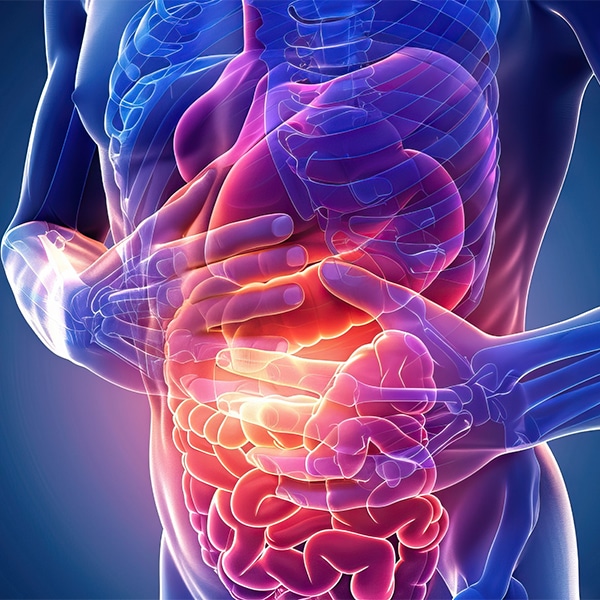
Why Choose Royal Care for Gastroenterology?
At Royal Care, we bring together year of clinical experience, advanced technology and a patient-first approach to provide comprehensive care for digestive health. From early diagnosis to complex gastrointestinal surgeries, we offer end-to-end treatment solutions under one roof.
Expert Team
Our highly experienced surgeons are trained in managing a wide range of GI conditions — from common digestive issues to complex cancers.
Advanced Diagnostics
Equipped with state-of-the-art endoscopy, colonoscopy, and imaging tools for accurate and early detection.
Minimally Invasive Expertise
Specialized in laparoscopic and robotic GI surgeries that reduce pain, recovery time, and hospital stay.
Integrated Multispecialty Support
Access to oncologists, radiologists, and critical care — all in one facility.
Patient Centered Care
Every treatment plan is tailored to the patient’s condition, lifestyle, and preferences for optimal outcomes.
Common Diseases And Conditions Of The Gastrointestinal System
1. Digestive Cancers
Digestive system cancers affect organs such as the stomach, colon, liver, pancreas, and esophagus. Early detection and treatment are critical for improving outcomes. Treatment often involves minimally invasive surgeries — laparoscopic or robotic-assisted — which help precisely remove tumors while preserving surrounding healthy tissues. Depending on the type and stage of cancer, a combination of surgery, chemotherapy, radiation therapy, and palliative care may be recommended.
2. Hernias (Inguinal, Umbilical, Incisional & Hiatal)
A hernia occurs when an internal organ pushes through a weak spot in the surrounding muscle or tissue. Common types include inguinal (groin), umbilical (navel), incisional (from previous surgery), and hiatal (upper stomach). Most hernias require surgical repair, with laparoscopic and robotic techniques offering faster recovery and reduced post-operative pain. In select cases, traditional open surgery may be necessary. The use of surgical mesh helps reinforce the abdominal wall and lowers the risk of recurrence.
3. Gallstones & Gallbladder Disorders
Gallstones are hardened deposits that form in the gallbladder and can cause pain, inflammation, or infection. The standard treatment for symptomatic gallstones is laparoscopic cholecystectomy, a minimally invasive procedure to remove the gallbladder. In cases where stones enter the bile ducts, ERCP (Endoscopic Retrograde Cholangiopancreatography) is used to remove them. Prompt management helps prevent complications such as cholecystitis or pancreatitis.
4. Piles, Fissure & Fistula
Anal conditions such as piles (hemorrhoids), fissures, and fistulas are common causes of discomfort and bleeding. Treatment depends on severity. Mild cases often respond to dietary changes and medications, while advanced cases may require surgical intervention. Modern techniques like laser hemorrhoidoplasty, anal dilatation, and advanced procedures such as LIFT, VAAFT, and FiLaC offer effective, minimally invasive options with quicker healing, minimal pain, and low recurrence rates.
Treatments
Consult our expert gastroenterologists in Coimbatore for trusted care and advanced treatment.
Our Doctors

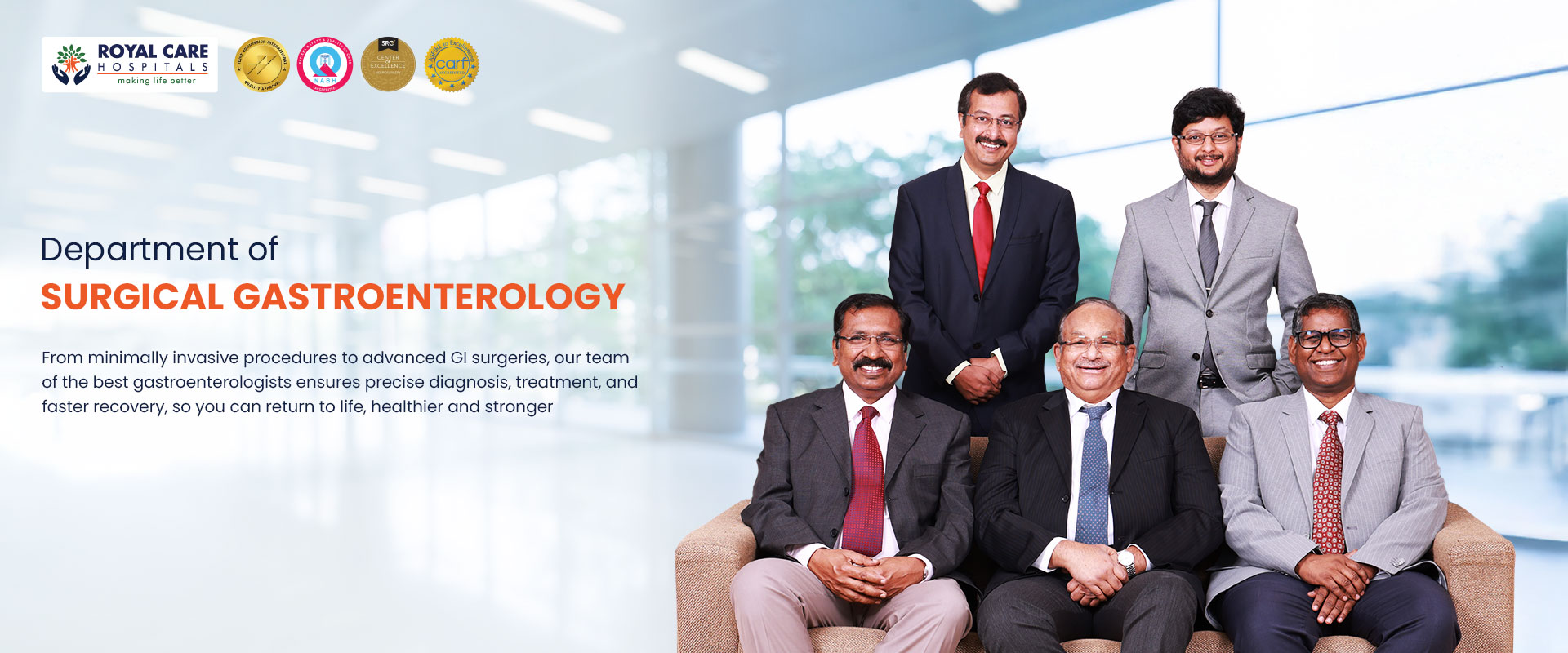
Dr. S. Paulvannan
MS, DNB, FRCS (Glasg), FRCS (Gen.Surg), CSST, HPB Fellow (Cambridge, UK).,
Consultant Surgical Gastro, Advanced Laparoscopic, HPB and GI Onco & Bariatric Surgeon

Dr. A. Sandip Chandrasekar
MS, M.Ch (SGE), DNB (GI.Surgery), FALS (Bariatric).,
Consultant Surgical Gastro, Advanced Laparoscopic, HPB,GI Oncology and Bariatric Surgeon

Dr. S. Soundappan
MBBS(MMC), MS(KEM, Mum), MRCS(UK), DNB - Surg Gastro (AIG, Hyd), FALS-Robotic, Fellowship-Hepatobiliary Surgery(AIG,Hyd), Fellowship-Liver transplant(CLBS,Delhi).,
Consultant - Gastro, Minimally invasive, HPB, GI oncology and Liver transplantation surgeon
FAQ
Frequently Asked Questions
If you are looking for the best gastroenterologist in Coimbatore, it is important to choose a specialist with extensive experience in diagnosing and treating digestive disorders. At our hospital, our expert gastroenterologists provide advanced care for a wide range of gastrointestinal conditions using modern diagnostic and treatment methods.
Digestive system diseases include conditions affecting the stomach, intestines, liver, pancreas, and esophagus. Common examples are acid reflux, ulcers, irritable bowel syndrome (IBS), fatty liver disease, and inflammatory bowel disease (IBD). Early diagnosis helps prevent complications.
A gastric problem in the stomach can be caused by factors such as unhealthy eating habits, stress, infections (like H. pylori), excessive use of painkillers, or irregular meal timings. Symptoms may include bloating, burning sensation, and discomfort after eating.
Common gastrointestinal disease symptoms include abdominal pain, bloating, indigestion, nausea, vomiting, constipation, diarrhea, and unexplained weight loss. If these symptoms persist, it is important to consult a specialist for proper evaluation.
You should consult a gastroenterologist if you experience persistent digestive issues such as chronic acidity, severe abdominal pain, frequent gastric problems in the stomach, or ongoing gastrointestinal disease symptoms that affect your daily life.
Digestive system diseases are diagnosed using advanced tests such as endoscopy, colonoscopy, ultrasound, CT scans, and blood tests. These help identify the root cause and guide effective treatment.
Yes, many digestive system diseases can be prevented by maintaining a healthy diet, staying hydrated, exercising regularly, reducing stress, and avoiding excessive alcohol and processed foods.
